
Understanding A1C and Fasting Glucose: Definitions and Measurements
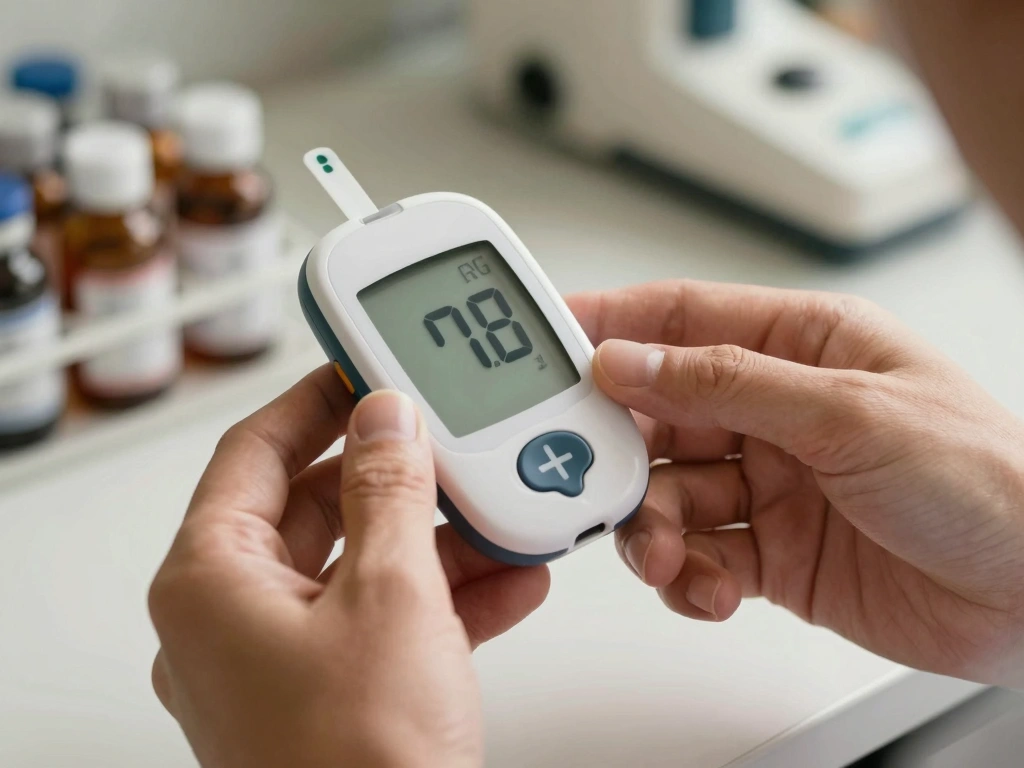
What is A1C?
A1C, also known as glycated hemoglobin, is a blood test that provides an average of a person’s blood glucose levels over the past two to three months. The test measures the percentage of glucose that is bound to hemoglobin, the protein in red blood cells that carries oxygen. A higher A1C percentage indicates poorer blood sugar control and an increased risk of diabetes-related complications.
For example, an A1C level of 5.7% to 6.4% indicates prediabetes, while an A1C level of 6.5% or higher is indicative of diabetes. The A1C test is particularly valuable because it reflects long-term glucose levels rather than short-term fluctuations, thus providing a more comprehensive view of an individual’s glycemic control.
What is Fasting Glucose?
Fasting glucose is a blood test that measures the level of glucose in the blood after an overnight fast, typically lasting eight hours. This test is a snapshot of the body’s ability to regulate glucose at a specific point in time. It helps identify how well the body is managing blood sugar levels without the influence of recent food intake.
Normal fasting glucose levels range from 70 to 99 mg/dL. Levels between 100 and 125 mg/dL suggest prediabetes, while a reading of 126 mg/dL or higher typically indicates diabetes. This test is crucial for diagnosing diabetes and monitoring blood sugar levels, especially in individuals at risk.
How are A1C and Fasting Glucose Measured?
The A1C test is performed using a blood sample from a vein or a finger prick. The laboratory processes the sample to determine the percentage of hemoglobin that is glycated. This test can be conducted at any time of the day and does not require fasting, making it convenient for many patients.
Fasting glucose tests require patients to refrain from eating or drinking anything other than water for at least eight hours before the test. A blood sample is then drawn, typically from a vein in the arm, and analyzed to measure the glucose concentration in the blood. This requirement for fasting is crucial as it eliminates the temporary spikes in blood sugar that can occur after meals.
Interpreting A1C and Fasting Glucose Results
Normal Ranges for A1C
The normal range for A1C levels is typically between 4% and 5.6%. Here’s a breakdown of the A1C categories:
- Normal: A1C less than 5.7%
- Prediabetes: A1C between 5.7% and 6.4%
- Diabetes: A1C of 6.5% or higher
These values can vary slightly depending on the laboratory and specific testing methods used.
Normal Ranges for Fasting Glucose
Fasting glucose levels are categorized as follows:
- Normal: Fasting glucose less than 100 mg/dL
- Prediabetes: Fasting glucose between 100 and 125 mg/dL
- Diabetes: Fasting glucose of 126 mg/dL or higher
These ranges are established by the American Diabetes Association and are widely accepted in clinical practice.
What Do Abnormal Results Indicate?
Abnormal A1C or fasting glucose results necessitate further evaluation and, often, lifestyle modifications. An A1C above 6.5% may require additional testing, such as a fasting glucose test or an oral glucose tolerance test, to confirm a diagnosis of diabetes.
For fasting glucose, a reading of 126 mg/dL or higher confirms diabetes, while levels between 100 and 125 mg/dL indicate a risk of developing the condition. Healthcare providers often recommend lifestyle changes, including diet, exercise, and sometimes medication, to manage or prevent diabetes based on these results.
Factors Influencing A1C and Fasting Glucose Levels
Dietary Impact on A1C
The foods consumed play a significant role in influencing A1C levels. A diet high in refined carbohydrates, sugars, and processed foods can lead to elevated blood glucose levels, ultimately affecting A1C. For instance, a diet rich in whole grains, vegetables, and lean proteins can contribute to lower A1C levels.
For example, a patient with a high A1C may be advised to adopt a Mediterranean diet, which emphasizes whole foods, healthy fats, and lean proteins, potentially resulting in significant improvements in their A1C over time.
Dietary Impact on Fasting Glucose
Fasting glucose levels are also impacted by dietary choices, particularly the types of meals consumed prior to the fasting period. Consuming high-carbohydrate meals or snacks before the fasting window can result in elevated fasting glucose levels. For example, someone who had a sugary snack before their fasting glucose test may show higher than normal levels, potentially leading to misinterpretation of their metabolic health.
Conversely, a balanced meal with complex carbohydrates and fiber before fasting can help stabilize blood sugar levels, resulting in a more accurate fasting glucose reading.
Other Health Conditions Affecting Readings
Several health conditions can affect A1C and fasting glucose readings. Conditions such as anemia, chronic kidney disease, and certain hemoglobinopathies can interfere with A1C results, leading to misleading interpretations. For instance, individuals with anemia may have a lower A1C due to fewer red blood cells present.
Fasting glucose levels can also be influenced by stress, illness, and hormonal imbalances, such as those seen in conditions like Cushing’s syndrome or polycystic ovary syndrome (PCOS). These factors can cause transient spikes in blood glucose, complicating the assessment of an individual’s metabolic health.
Clinical Applications: When to Use A1C vs Fasting Glucose
Diagnosis of Diabetes and Prediabetes
A1C and fasting glucose tests are both essential tools for diagnosing diabetes and prediabetes. The A1C test is often preferred for its ability to provide a long-term perspective on blood glucose levels, while the fasting glucose test offers immediate insights into glucose regulation at a specific time.
For example, a patient presenting with an A1C of 6.8% may be diagnosed with diabetes, while a fasting glucose test showing 128 mg/dL would further confirm this diagnosis. In cases of prediabetes, both tests may indicate elevated levels, providing a comprehensive understanding of the patient’s condition.
Monitoring Diabetes Management
For individuals diagnosed with diabetes, regular monitoring of A1C and fasting glucose levels is crucial for effective management. The A1C test is typically performed every three to six months to assess long-term glycemic control, while fasting glucose can be measured more frequently based on daily management needs.
For instance, a patient may aim for an A1C below 7% as part of their management plan, while also checking their fasting glucose levels daily to ensure they remain within the target range.
Situational Use in Clinical Practice
In clinical practice, the choice between A1C and fasting glucose measurements often depends on the specific context and needs of the patient. For patients with a known diabetes diagnosis, A1C testing is generally more useful for tracking long-term trends. However, fasting glucose testing remains critical in acute settings or for immediate assessments, such as during a routine checkup or in emergency situations.
Healthcare providers may use both tests in conjunction to create a more comprehensive picture of a patient’s metabolic health, adjusting treatment plans accordingly.
Common Misconceptions about A1C and Fasting Glucose
Myths about A1C Testing
One common myth is that A1C testing is only relevant for people diagnosed with diabetes. In reality, A1C can also be an important screening tool for prediabetes, allowing for early intervention and lifestyle changes to prevent the onset of diabetes.
Another misconception is that A1C results are always accurate. Factors such as anemia, recent blood transfusions, and certain medications can influence A1C readings, potentially leading to misdiagnosis or inappropriate treatment plans.
Myths about Fasting Glucose Testing
A prevalent myth surrounding fasting glucose is that it is the only test necessary for diagnosing diabetes. While fasting glucose is a critical test, the A1C test offers a broader view of long-term glucose management, making it equally important.
Moreover, some believe that fasting glucose levels are unaffected by the time of day. However, glucose levels can fluctuate based on various factors, including stress and physical activity, making timing an important consideration when interpreting results.
Clarifying Misunderstandings for Better Health Management
To optimize diabetes management and overall health, it is essential to clarify misconceptions regarding A1C and fasting glucose testing. Both tests provide valuable insights into an individual’s metabolic health, and understanding their differences can empower patients to engage more effectively with their healthcare providers.
Patients should feel encouraged to discuss their test results, ask questions, and seek clarification on how their lifestyle choices can impact their readings. By fostering a collaborative relationship with healthcare professionals, individuals can take proactive steps toward managing their health.